Blue Olive Legacy

About Christina K.

The story of Blue Olive began long before the café opened its doors. It started in a humble kitchen where a young Christina Kashyap learnt that food was more than flavours — it was love, warmth, and a way of bringing people together. Her childhood was filled with the aroma of simmering curries, the crackle of fresh herbs, and the simple joy of watching her family gather around the table.

Her journey took a transformative turn when she spent several years in Paris, the world’s capital of cafés, bakeries, and culinary romance. 

Returning home with a diary full of recipes and memories, she dreamed of blending the warmth of her Indian roots with the soulful café culture she fell in love with in Paris. This vision became Blue Olive — a space that feels comforting, artistic, and unhurried, yet rooted in familiar flavours. Today, Blue Olive stands as a tribute to Christina’s journey, from a girl enchanted by spices to a woman inspired in Paris, and finally to a founder who created a café that welcomes everyone like family.


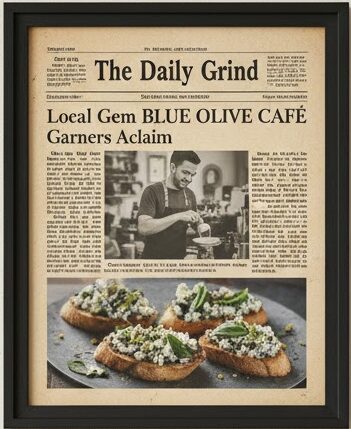
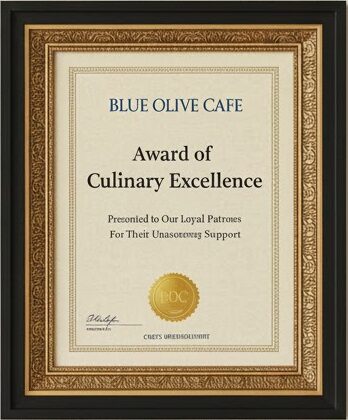
Daryanaganj RestaurantAWARDS & MEDIA MENTIONSDaryanaganj Restaurant

STORIES BEHIND THE ICONIC DISHES

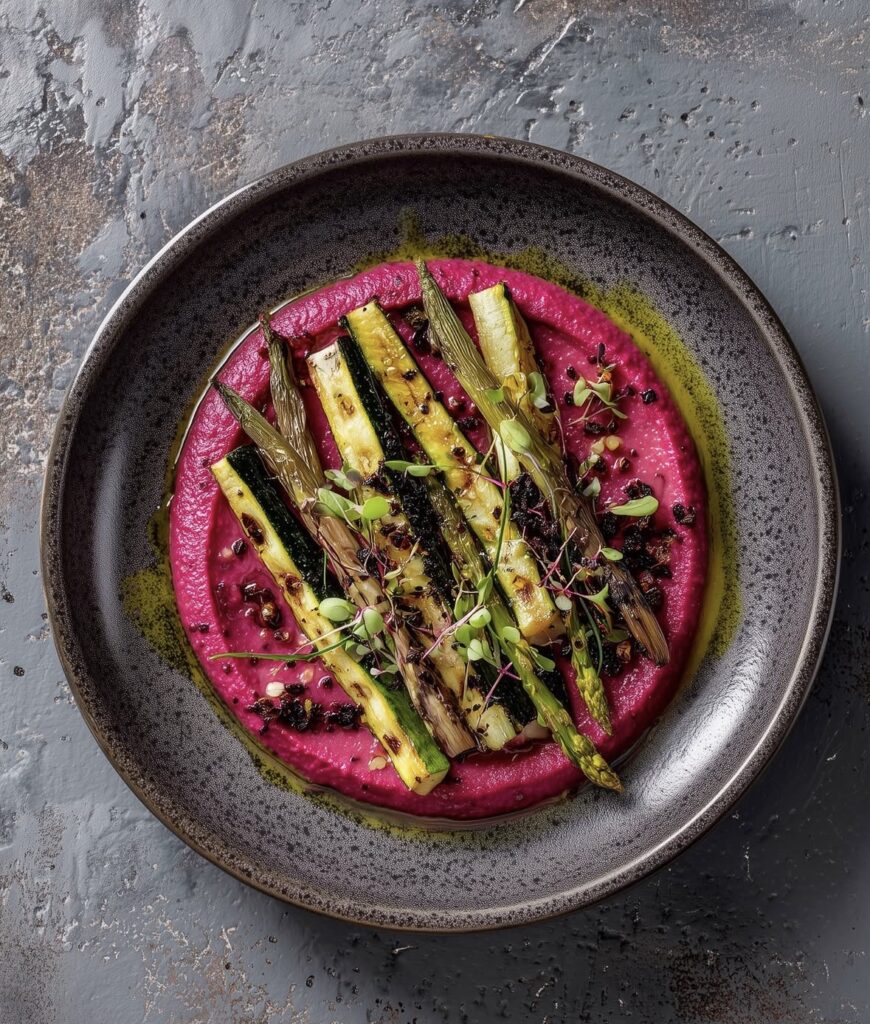
The Story of The Earth’s Embrace

Origin: The high-altitude, volcanic plains of Santorini, Greece.

This dish is a modern echo of Santorini’s volcanic landscape, blending the extreme heat of the earth with the surprising sweetness of its soil. Its genesis came in 1995 from Kyria Eléni

  • The Flavor Challenge: Eléni grew tired of the muted flavors of sun-dried tomatoes and classic olives. She craved a dish that tasted like the island itself—dark, rich, and fiercely vibrant.

  • The Unique Technique (Volcanic Charring): She took the native Santorini beetroot, known for its intense mineral sweetness, and whipped it into a base with local yogurt and tahini. The purée was a gorgeous, unsettling magenta. The true innovation, however, was the preparation of the greens. She used a traditional, wide iron skillet placed directly over a blazing fira wood fire. This process didn’t just grill the vegetables (zucchini and spring onions); it induced a controlled “volcanic charring,” imbuing the greens with a deep, earthy bitterness and smoky depth.

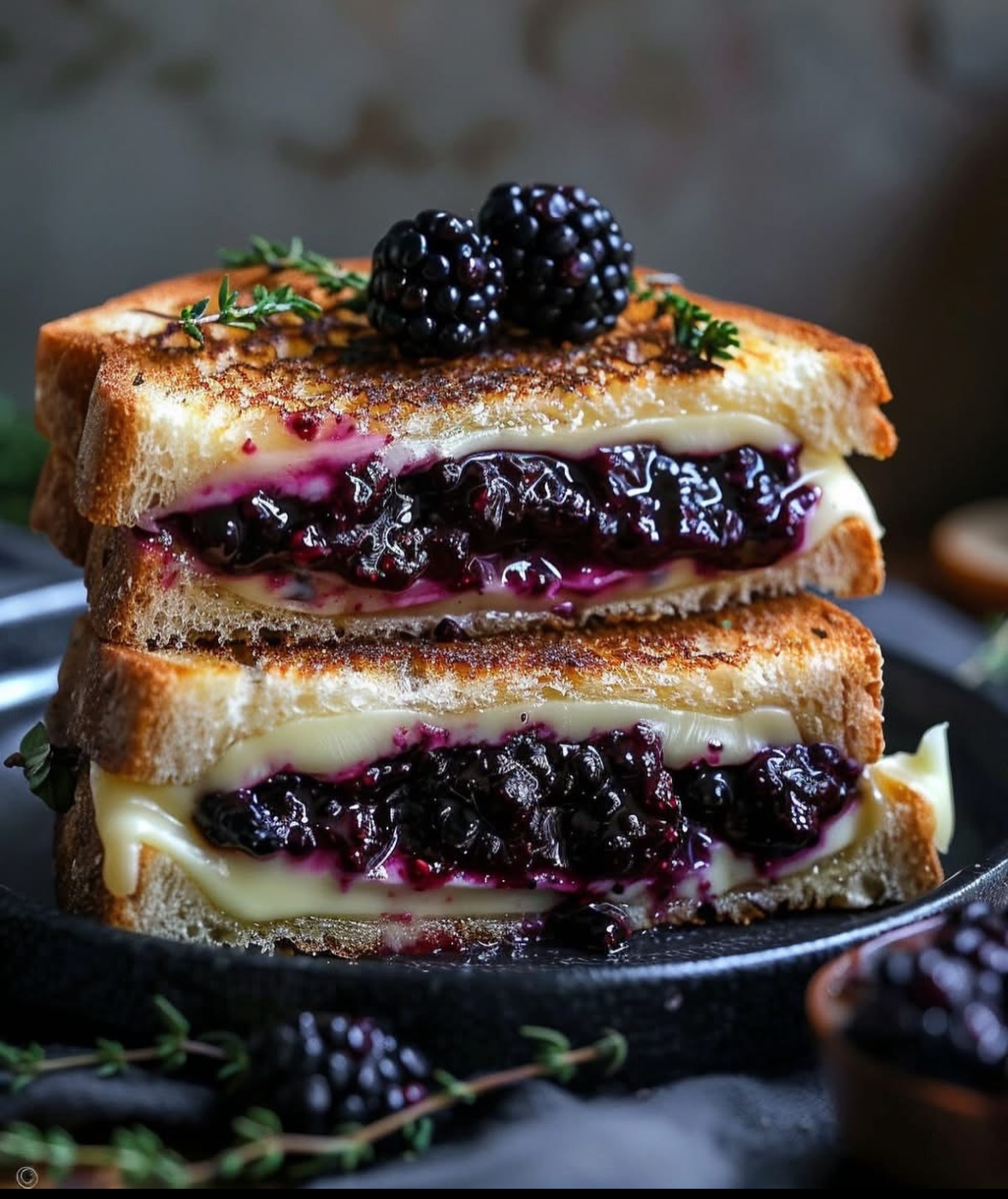
THE FORAGER’S INDULGENCE: THE BLACKBERRY AND THYME GRILLED CHEESE

Origin: The mist-shrouded, ancient forests of County Cork, Ireland.

The inventor of this dish was Fiona “The Fermenter” McCann, a reclusive artisan cheesemaker in the wild Irish countryside of the 1950s. Fiona was obsessed with the concept of “flavor fusion”—breaking down the barrier between a main course and a pudding.

  • The Flavor Challenge: Fiona had perfected an assertive, crumbly cheddar, but found it too sharp and dominant. She wanted a counter-flavor that would soften the cheese while intensifying its salty tang.

  • The Unique Technique (Low-Heat Maceration): Her technique was revolutionary. She macerated foraged blackberries not with plain sugar, but with stout molasses and freshly clipped thyme from the abbey ruins. Crucially, she cooked this jam mixture slowly over low heat for hours, allowing the thyme’s oils to fully integrate and transform the jam’s sweetness into an herbaceous, savory-sweet compote.

unnamed

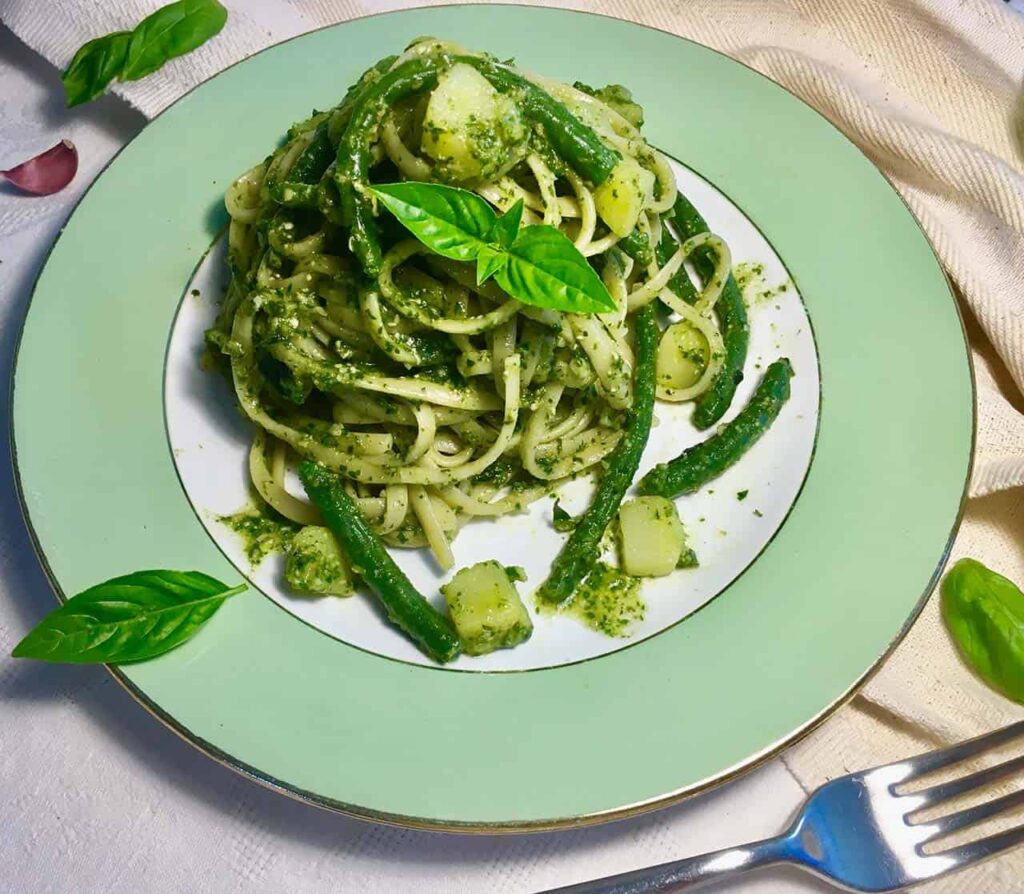
Pesto Alla Genovese

The name “pesto” comes from the verb pestare, meaning “to pound” or “to crush.” The tradition began with the Romans, who made a garlic and herb paste called Moretum. Pesto’s ancestor was the Roman Moretum (garlic paste), a sailor’s staple. The dish transformed when Ligurian cooks adopted the local Genovese Basil, a unique variety that was incredibly sweet and delicate.

The genius of the recipe, formalized in 1863, is the technique: ingredients must be pounded raw in a marble mortar with a wooden pestle. This slow, gentle crushing—not chopping—prevents oxidation, preserving the basil’s vibrant green color and delicate aroma.
The result is a perfect emulsion—a powerful, raw, and fresh expression of the Ligurian coast.

Celebrities Who 
Have Visited
Us

Scroll to Top